

Are you looking for a friendly driving instructor in Wellingborough or the surrounding areas? We’d love you to meet Will!
Will is one of our friendly driving instructors, helping learners in Wellingborough, Rushden, Higham Ferrers and beyond. He enjoys helping people of all ages become safe, confident drivers.
Whether you’re a complete beginner or returning to driving after a break, Will will help you progress at your own pace.
Before becoming a driving instructor, Will spent 30 years working in the aviation industry. He has now turned his attention to helping people learn an important life skill.
Will qualified as a driving instructor in September 2024. He trained under the watchful eye of John, our Instructor Trainer.
Having passed his own driving test in 1985, Will also brings around 40 years of driving experience.
Most importantly, he loves seeing his pupils develop their confidence. He finds it particularly rewarding when a learner passes their driving test. Sharing that excitement and celebrating their achievement makes his job so worthwhile!
Will provides driving lessons across a wide area, including:
So, if you’re looking for driving lessons in Wellingborough or Rushden, Will could be the right instructor for you.
Not sure whether he covers your area? Simply get in touch and we’ll be happy to help.
Will currently teaches in a comfortable 25-plate Renault Clio.
The car has several driver-support features to help make learning easier. It is also gentle and forgiving, making it a great choice for new drivers.
As a result, learners can concentrate on developing their skills and building confidence behind the wheel.
Will recommends 1.5-hour driving lessons wherever possible.
Longer lessons offer several benefits. Firstly, they give you more time to practise. Secondly, you can develop new skills without feeling rushed.
They also allow you to revisit previous topics and build on what you’ve already learned.
Every lesson is tailored to your individual needs. Will will identify areas for improvement and help you develop at a comfortable pace.
The aim is simple: to help you become a safe, confident driver and prepare for your driving test as soon as you’re ready.
All of the details regarding our services can be found on our website.
Learning to drive involves more than just practical lessons. That’s why we provide additional resources to support your progress.
When learning with us, you’ll benefit from:
Total Drive App
Keep track of your lessons and monitor your progress. The app helps you see how far you’ve come and what you need to work on next.
Free Theory Test Access
Prepare for your theory test with free access to additional learning resources.
Confident Driver
Driving can sometimes feel daunting. Confident Driver provides extra support to help you manage driving anxiety and test nerves.
Together, these resources help you feel more prepared throughout your learning journey.
We recommend 1.5-hour lessons to help you get the most from your learning time.
We also offer lesson bundles for learners who prefer to book lessons in blocks.
For current prices and bundle information, please contact us directly. We’ll be happy to talk you through the options.
If you’re looking for a patient and friendly driving instructor in Wellingborough, Rushden or the surrounding areas, why not get in touch?
Will is passionate about helping learners of all ages achieve their driving goals. He’ll support you throughout your journey, from your first lesson to the excitement of passing your test.
Contact us today to find out more about driving lessons with Will. Your driving journey starts here!

Choosing the right driving instructor is an important step towards becoming a safe and confident driver. With so many driving instructors and driving schools to choose from, how do you know which one is right for you?
Whether you are a learner driver looking for your first driving lessons or a parent helping someone choose a driving school, there are several things worth considering before making your decision.
The cheapest option is not always the best, and the most expensive does not automatically mean the best service. From qualifications and reviews to the training vehicle and extra learning resources, here are seven things to look for when choosing a good driving instructor.
In the current economic climate, it is natural to look at price first. With the cost of living affecting household budgets, saving money wherever possible makes sense.
However, when comparing driving lesson prices, it is worth looking beyond the hourly rate. A cheap driving instructor might offer excellent value, but it is important to understand what is included in the price and why their lessons cost less than others.
First, check that your instructor is properly authorised to provide paid driving lessons. In Great Britain, they must be an Approved Driving Instructor (ADI) or hold a valid trainee driving instructor licence.
You can find out more through the official GOV.UK website and check an instructor’s registration if you have any concerns.
Also, make sure the price of lessons is confirmed before you commit. Ask about lesson duration, block-booking discounts, cancellation policies and any additional charges.
Remember, the cheapest driving lessons are not necessarily the best value. Look at the overall service, quality of instruction and support you will receive.
Reviews can provide valuable insight when choosing a driving instructor or driving school.
Many instructors and driving schools have websites and Google Business Profiles where previous learners can share their experiences. Take some time to read the reviews rather than simply looking at the overall star rating.
Look for comments about the instructor’s teaching style, patience, communication and ability to help learners build confidence.
For example, a learner who struggles with nerves or has additional learning needs may benefit from an instructor who is experienced in adapting lessons to suit individual requirements.
Reviews can also help you understand how a driving school handles problems or negative feedback. No business can guarantee that every customer will have the same experience, so look for genuine, detailed feedback and consistent themes.
Ultimately, the right driving instructor is someone whose teaching style suits you and helps you progress at a pace that feels comfortable.
A website is not essential for every driving instructor, but it can be a useful way to find out more about a business before booking lessons.
Look at the information provided. Does the website explain the services offered, lesson prices, areas covered and how to get in touch?
Does it tell you about the instructor, the training vehicle and any additional resources available to learners?
A clear, informative website can demonstrate that a driving school has invested time in presenting its services professionally. It also gives prospective learners an opportunity to compare their options before making contact.
If important information is missing, do not be afraid to ask questions before committing to driving lessons.
Driving lessons involve more than just getting behind the wheel. Good learning support between lessons can help you prepare, practise and make the most of your time with your instructor.
Some driving schools provide additional resources as part of their service. These might include:
Ask what is included in the price and whether there are any additional subscription fees.
An instructor who offers useful resources alongside practical lessons can help you feel better prepared for both your theory test and your practical driving test.
The important thing is to find a driving school that supports your learning needs rather than simply providing time in the car.

The training vehicle is another important consideration when choosing a driving instructor.
First, decide whether you want to learn in a manual or automatic car. Your choice may depend on your preferences, confidence and future driving plans.
Next, consider whether the vehicle is comfortable and suitable for you. If you are particularly tall, for example, a small car might not offer the space you need.
It is worth asking about the car’s features, including its visibility, seating position and any driver-assistance systems that may help you learn.
You can also look at photographs of the vehicle before booking. A clean, well-presented training car can give you a useful first impression, although its appearance alone does not tell you everything about its maintenance or condition.
Most importantly, you should feel comfortable and safe in the vehicle. A good instructor will help you understand the car’s controls and features before expecting you to use them confidently on the road.
The way a driving school handles your initial enquiry can tell you a lot about how it operates.
When you request information about driving lessons, consider what happens next. Are your questions answered clearly? Are the prices and terms explained? Are you given enough information to make an informed decision?
A professional driving school should provide clear terms and conditions covering its services, payments, cancellations and other important arrangements. It should also provide appropriate privacy information explaining how your personal data is handled.
Your instructor should check that you hold a valid driving licence and are legally able to begin lessons.
These steps help establish clear expectations and demonstrate that the business takes its responsibilities seriously.
Before paying for a block of lessons, make sure you understand the arrangements and know who to contact if you need help.
Learning to drive can be exciting, but it can also feel daunting, especially if you are nervous about getting behind the wheel for the first time.
Some driving schools may offer an introductory meeting or home visit before lessons begin. This can be a useful opportunity to meet your prospective instructor, ask questions and find out whether you feel comfortable with them.
You can discuss your experience, any concerns you have and what you hope to achieve through your lessons.
For nervous learners, meeting the instructor beforehand can help make the first driving lesson feel less intimidating.
A good driving instructor should be approachable, patient and willing to adapt their teaching style to suit your needs. You should feel able to ask questions, make mistakes and learn without feeling unnecessarily pressured.
If you do not feel comfortable with an instructor, remember that finding someone whose teaching style suits you is an important part of the learning process.
Choosing a driving instructor is about more than finding the cheapest lessons or the nearest driving school. It is about finding someone who is properly authorised, professional, supportive and suited to your individual learning needs.
Take time to compare prices, read reviews, check qualifications and ask about the vehicle and additional learning resources available.
Most importantly, choose an instructor who helps you develop the skills, confidence and understanding needed to become a safe driver for life.
At Latimer Driver Training, we believe that learning to drive should be a positive, supportive experience. Visit our website to find out more about our driving lessons and get in touch to discuss your requirements.
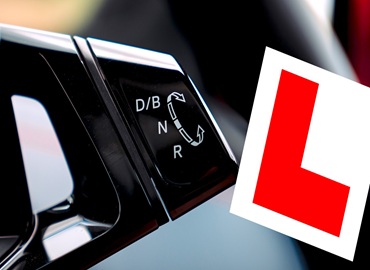
Automatic driving tests are becoming increasingly popular in the UK, with almost three in ten car driving tests now being taken in an automatic car. As electric vehicles (EVs) become more common and the UK moves towards the 2030 new petrol and diesel car sales deadline, more learner drivers are questioning whether they still need to learn to drive a manual car.
For generations, learning to drive in the UK has meant mastering the clutch, changing gear and getting to grips with hill starts. But that traditional rite of passage is changing.
So, is this the beginning of the end for the manual driving test?
The number of learner drivers taking an automatic driving test has increased dramatically over the past decade.
According to figures from the Driver and Vehicle Standards Agency (DVSA), 479,556 driving tests were taken in automatic cars in 2024/25, representing around 26% of all car driving tests.
Compare that with 2012/13, when just 87,844 automatic driving tests were taken. At that time, automatic tests represented only around 6% of all tests.
In other words, automatic driving tests have gone from approximately one in sixteen tests to more than one in four in just over a decade.
The growth has continued. In 2025/26, automatic tests accounted for approximately 29.4% of all car driving tests, according to figures reported by the AA.
That means almost three in every ten learners are now choosing to take their driving test in an automatic car.
The AA has previously predicted that automatic driving tests could account for around one in three tests by 2026/27.
That is a significant change in the way people are learning to drive.
There isn’t one single reason for the growth in automatic driving lessons and tests.
Instead, several changes are happening at the same time, including the increasing popularity of automatic cars, the growth of electric vehicles and changing attitudes towards driving.
One of the biggest factors behind the shift towards automatic cars is the growth of electric vehicles.
Electric cars don’t use conventional manual gearboxes in the way petrol and diesel cars do. They are generally driven using an automatic transmission, meaning there is no clutch pedal or need for traditional manual gear changes.
This creates an interesting question for today’s learner driver:
Why spend time learning to drive a manual car if the car you eventually plan to own will be automatic?
The UK’s transition towards electric vehicles could therefore have a significant impact on the future of driving lessons and driving tests.
The government has confirmed its commitment to phasing out the sale of new purely petrol and diesel cars from 2030, while allowing some hybrid vehicles to continue beyond that date under current arrangements.
As we get closer to 2030, more learners may decide that an automatic driving licence is sufficient for their needs.
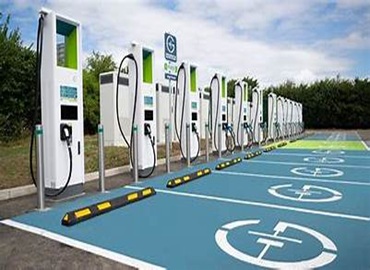
For many learner drivers, one of the biggest advantages of learning in an automatic car is simplicity.
A manual learner has to coordinate:
An automatic car removes the need to operate a clutch and manually select gears.
This can make driving feel less complicated, particularly in busy traffic, at junctions and during stop-start journeys.
For some learners, this means they can concentrate more of their attention on the road rather than worrying about clutch control or choosing the correct gear.
An automatic driving lesson can therefore feel less tiring and more straightforward for some learners.
However, an automatic car doesn’t make the driving test easy. Learners still need to demonstrate good observation, anticipation, judgement, positioning and overall control of the vehicle.
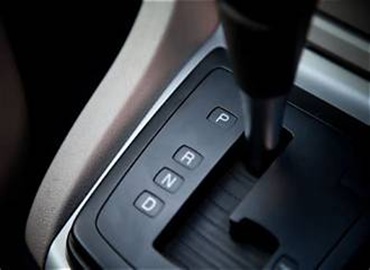
This is one of the most important things to understand before deciding between a manual and automatic driving test.
If you pass your driving test in a manual car, you can drive both manual and automatic cars.
However, if you pass your test in an automatic car, your licence will restrict you to automatic vehicles.
This is an important consideration when choosing between manual and automatic driving lessons.
If you know that you will only drive an automatic car or an electric vehicle, an automatic licence may be perfectly suitable.
However, if you want the greatest possible flexibility when buying or borrowing a car in the future, a manual driving licence still has a significant advantage.
This is becoming one of the biggest questions for learner drivers.
There isn’t necessarily a right answer. It depends on what you want from your driving licence and the type of car you expect to drive.
Choose a manual driving test if you:
Choose an automatic driving test if you:
For many learners, the decision ultimately comes down to one question:
What type of car are you likely to drive after passing your test?
Despite the rapid increase in automatic driving tests, it would be premature to say that the manual driving test is disappearing.
Automatic tests accounted for around 29.4% of car driving tests in 2025/26. That means manual tests still accounted for approximately 70% of tests.
However, the direction of travel is clear.
A decade ago, automatic tests represented only around 6% of tests. Today, they represent almost 30%.
The question may therefore no longer be whether automatic driving tests will become mainstream.
They already are.
The bigger question is when automatic tests could become the majority.
If current trends continue, the manual driving test could eventually become the less common option for new drivers.
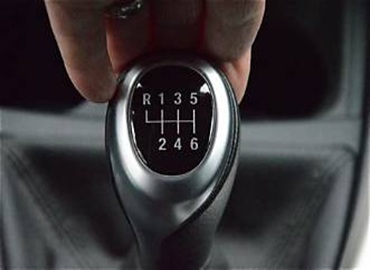
The shift towards automatic driving tests isn’t limited to one particular group of learners.
DVSA figures highlighted by the AA show that the proportion of men taking automatic tests has increased significantly.
In 2012/13, men accounted for around 23% of learners taking automatic driving tests.
By 2024/25, that figure had increased to around 39%.
This suggests that the move towards automatic cars is becoming a broader change in driving attitudes rather than simply a preference among a particular group of learners.
It’s tempting to assume that an automatic driving test must be easier because the learner doesn’t have to change gear.
An automatic car does remove some of the physical and mental demands associated with driving a manual car.
There is no clutch to operate, no gear changes to make and no need to worry about selecting the correct gear.
However, the driving test still assesses the learner’s ability to drive safely.
You still need to demonstrate:
An automatic gearbox removes the clutch and gear-changing element of driving.
It doesn’t remove the need to become a safe and competent driver.
There are several potential advantages to learning to drive an automatic car.
Less Tiring
Automatic driving can be less tiring, particularly in heavy traffic.
Without a clutch and manual gear changes, there is less physical effort involved during stop-start driving.
Easier Car Control
For some learners, an automatic gearbox makes the car easier to control.
Removing clutch control and gear changes can allow learners to focus more heavily on observation and what is happening around them.
Less Wear and Tear
Learning to control a clutch takes practice.
Poor clutch control can contribute to unnecessary clutch wear. An automatic car removes the need for the driver to operate a conventional clutch manually.
Lower Running Costs with an EV
Electric vehicles can offer lower day-to-day running costs than many petrol and diesel cars.
EV owners can potentially save money on fuel and some maintenance costs, although the overall cost of ownership depends on the vehicle, electricity prices, mileage and other factors.
Although automatic driving has many advantages, there are also some disadvantages to consider.
You’re Restricted to Automatic Cars
This is the biggest disadvantage of an automatic-only licence.
A manual licence allows you to drive both manual and automatic cars.
An automatic licence restricts you to automatic vehicles unless you subsequently pass a manual driving test.
Electric Cars Can Be Expensive
Although EV running costs can be attractive, electric vehicles can still have a higher purchase price than some equivalent petrol or diesel cars.
The price gap is narrowing, however, and the growing used EV market is providing more affordable options.
Manual Used Cars Could Become Cheaper
There could be an interesting consequence of the increasing popularity of automatic driving tests.
If fewer new drivers want to learn in manual cars, demand for used manual vehicles could eventually fall.
That could increase the supply of affordable second-hand manual cars.
For learner drivers and younger motorists on a tight budget, this could make manual cars an increasingly attractive option.
Driving Range Can Still Be a Consideration
Internal combustion engine cars can still offer longer driving ranges between refuelling stops than some electric vehicles offer between charges.
EV technology is improving rapidly, but range and charging infrastructure remain considerations for drivers who regularly make long journeys.
The manual gearbox isn’t going to disappear overnight.
Millions of manual cars will remain on British roads for many years, and the used car market will continue to provide plenty of choice.
However, the new car market is changing, and that will inevitably influence learner drivers.
Automatic driving tests have risen from around 6% of all tests in 2012/13 to almost 30% today.
At the same time, the UK is moving towards a market dominated by electric, hybrid and automatic vehicles.
For today’s learner driver, the decision is therefore no longer simply about whether they prefer changing gears.
It’s about considering the type of vehicle they expect to drive for the next five, ten or even fifteen years.
There is currently no reason to assume that manual driving tests will suddenly be scrapped.
Manual cars remain a major part of the UK’s vehicle fleet, and a large proportion of learners still choose to take their test in a manual car.
However, the role of the manual driving test could change considerably over the coming years.
If automatic tests continue growing from almost 30% towards one in three and eventually beyond, the manual test could move from being the default choice to being the specialist option.
The manual driving test may not disappear.
But it could become less relevant to future generations of learner drivers.
Perhaps.
It would be too early to say that the manual driving test is coming to an end, but the evidence shows that its dominance is declining.
Automatic driving tests have increased dramatically in just over a decade.
Electric vehicles are becoming more common.
The UK is moving towards the 2030 phase-out of new purely petrol and diesel cars.
And learner drivers are increasingly asking whether they need to learn skills that they may never use once they pass their test.
For someone who wants maximum flexibility, a manual licence still makes sense because it allows them to drive both manual and automatic cars.
But for a learner who knows their future car will be an automatic, hybrid or EV, an automatic driving test could be the more logical choice.
The clutch and gear stick aren’t disappearing from Britain’s roads just yet.
But for the next generation of drivers, they may no longer be considered an essential part of learning to drive.
And that could represent one of the biggest changes to British driving lessons in a generation.
Is an automatic driving test easier than a manual test?
An automatic car removes clutch control and manual gear changes, which can make driving simpler for some learners. However, the driving test still assesses observation, anticipation, judgement, road positioning and safe driving.
Can I drive a manual car with an automatic licence?
No. Passing your driving test in an automatic restricts you to automatic vehicles. To drive a manual car, you would need to pass a manual driving test.
Can I drive an electric car with a manual driving licence?
Yes. A full manual car licence allows you to drive automatic vehicles, including electric cars, subject to the normal licence requirements.
Are automatic driving tests becoming more popular?
Yes. Automatic tests have increased from around 6% of all car driving tests in 2012/13 to around 29.4% in 2025/26.
Will automatic driving tests become more popular in the future?
The current trend suggests that automatic driving tests will continue to grow, particularly as electric vehicles become more common and the UK moves towards its 2030 new petrol and diesel car sales target.
Should I learn to drive manual or automatic?
If you want maximum flexibility, a manual licence allows you to drive both types of vehicle. If you know you will drive an automatic or electric vehicle and don’t expect to need a manual car, an automatic licence may be the better option.
Will manual cars disappear from the UK?
Not in the immediate future. Millions of manual cars remain on UK roads and will continue to be available in the second-hand market. However, the number of new manual cars available is expected to decline as the vehicle market moves towards automatic and electric vehicles.
Are you thinking about starting automatic driving lessons. If you are then please feel free to contact us to discuss your requirements and how we can help you on your journey to becoming a full licence holder.
If you’re preparing for your driving test or need advice on booking your driving test in Northamptonshire e.g. Burton Latimer, Kettering, Finedon or Wellingborough, we offer professional driving lessons designed to help learners pass first time, and advice and support with how and when to book your driving test.
Our aim is to give you the knowledge and skills necessary to be a safe and confident driver.
Contact us at Latimer Driver Training for more information about driving lessons or visit our frequently asked questions page.
The DVSA driving test booking rules 2026 have been recently been updated with the third scheduled changes.
Further restrictions to the driving test booking system in an effort to tackle test reselling and protect learner drivers from scams.
From 9 June 2026, learner drivers can only move their driving test booking to one of the three nearest driving test centres to the centre where their test is currently booked.
For existing bookings, the rule applies to the current test centre rather than the original location where the test was first booked.
For any changes made after 9 June 2026, the DVSA calculates the three nearest centres based on the test centre that is booked at the time the change is requested.
The DVSA says its priority is to:
The location restrictions are designed to discourage people from booking tests at centres where they never intend to take their test.
These new restrictions follow two earlier rule changes:
Since the 12 May 2026 changes, the DVSA has begun taking direct action against people and businesses that misuse the booking system.
The DVSA has cancelled tests that were identified as being booked or managed outside the new rules.
450 tests have already been cancelled where the same payment card was used to pay for multiple driving tests for different learner drivers, indicating that the tests were not booked by the learners themselves.

The DVSA has placed 4,034 online booking suspensions on driving licence holders.
A suspension means the learner can no longer book or manage tests online and must contact the DVSA customer service centre instead. The suspension remains in place for 12 months.
The DVSA has also reported unofficial driving test booking apps to Apple and Google.
17 apps that breached the DVSA’s terms and conditions have already been removed from the platforms.
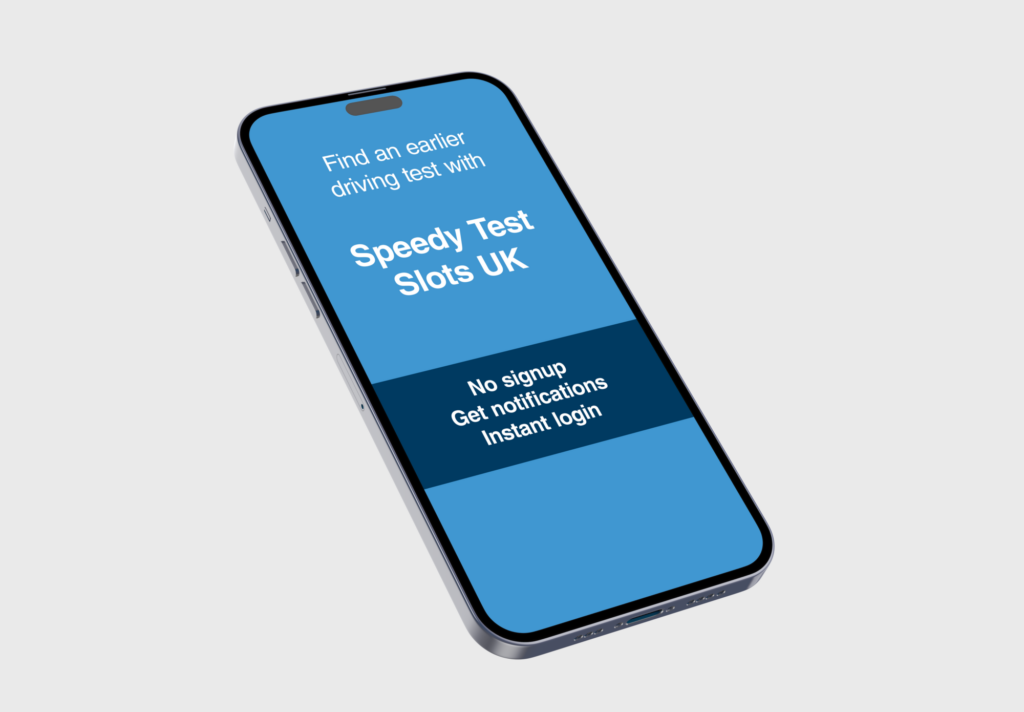
The DVSA’s message to pupils is straightforward:
The consequences can be significant:
The DVSA’s 2026 driving test booking changes represent a major crackdown on test reselling, unofficial booking services, and social media scams. Learners should only use the official GOV.UK service to book and manage driving tests and should be aware that tests booked outside the rules risk cancellation. To learn more visit the published guide for learners.
If you’re preparing for your driving test or need advice on booking your driving test in Northamptonshire e.g. Burton Latimer, Kettering, Finedon or Wellingborough, we offer professional driving lessons designed to help learners pass first time, and advice and support with how and when to book your driving test.
Our aim is to give you the knowledge and skills necessary to be a safe and confident driver.
Contact Us here at Latimer Driver Training for more information about driving lessons or visit our frequently asked questions page.

From 12 May 2026, learner drivers must book their own driving test following major changes introduced by the Driver and Vehicle Standards Agency (DVSA).
This new rule is designed to stop third-party exploitation, prevent inflated resale prices, and ensure that driving test appointments go to genuine learners.
The DVSA has introduced strict new rules that fundamentally change how driving tests are booked in the UK.
Key changes:
These changes are part of a wider crackdown on bots and companies reselling driving test slots at higher prices.
The new system aims to make driving test booking fairer and more transparent.
Previously, third-party services used automated software (bots) to:
The DVSA has made it clear that its priority is to:
Under the new rules, learner drivers must complete the entire booking process themselves.
Booking overview:
You will need:
Booking online is currently the fastest method, as phone lines remain extremely busy.
Yes — but only manually.
After booking, you can log back into the system and check for earlier appointments. These are often referred to as “cancellation slots”, although there is no official cancellation list.
The DVSA still allows learners to swap test appointments — but under strict conditions.
You can only swap if:
Important rules:
From June 2026, additional location restrictions will apply, limiting swaps to nearby test centres.
This change has a significant impact on driving instructors and how they support learners.
Instructors can no longer:
This means:
In short — no.
The DVSA has already confirmed that these changes are not expected to reduce waiting times in the short term.
The goal is fairness, not faster access.
The biggest issue affecting driving test availability is not booking systems — it’s staffing.
Despite recruitment efforts:
However, according to the National Audit Office:
The core problem:
Until this is addressed, long waiting times are likely to continue.
The 2026 DVSA rule changes are a positive step toward a fairer system. By removing third-party interference, learner drivers now have full control over their driving test bookings.
However, the underlying issue of long waiting times remains unresolved. Without sustained investment in examiner recruitment and retention, learners may still face delays for the foreseeable future.
Information source DVSA / GOV.UK
If you’re preparing for your driving test in Northamptonshire e.g. Burton Latimer, Kettering, Finedon or Wellingborough, we offer professional driving lessons designed to help learners pass first time. Our aim is to give you the knowledge and skills necessary to be a safe and confident driver.
Contact Us here at Latimer Driver Training for more information about driving lessons or visit our frequently asked questions page.
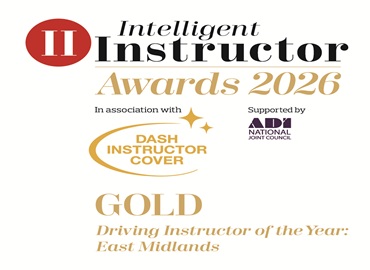
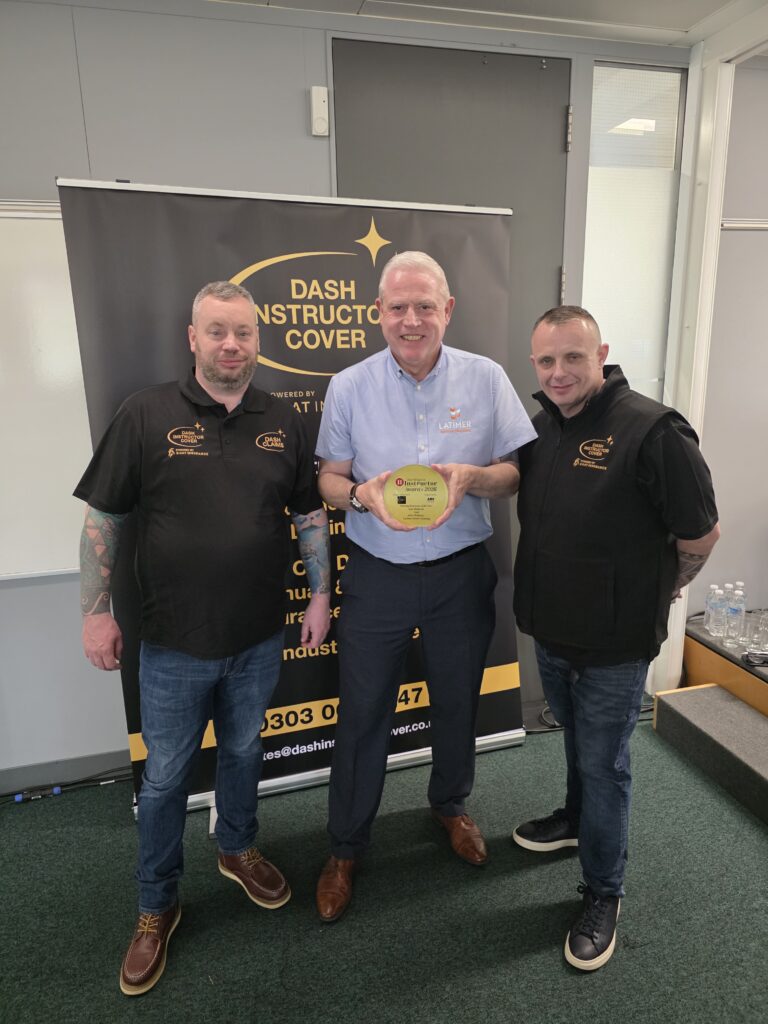
We are delighted to announce that our driving instructor John has won the Gold Award at the Intelligent Instructor Awards in the East Midlands region at this weekend’s ceremony in Milton Keynes. This prestigious achievement highlights John’s dedication to helping learners become safe, confident drivers and reinforces our reputation as a leading provider of driving lessons in the East Midlands.
The Intelligent Instructor Awards are the UK’s most recognised celebration of excellence in the driver training industry.
Now in their 7th year, these awards shine a spotlight on driving instructors and organisations that go above and beyond to make learning to drive:
Since 2019, the awards have recognised outstanding professionalism, innovation, and impact across the industry — from independent instructors to national driving schools.
Winners are selected through a rigorous two-stage process:
For the Driving Instructor of the Year category, learner drivers nominate their instructor. Judges then review real feedback from learners to determine the winners.
The judging panel includes leading figures in the driver training industry, such as:
This ensures every award is based on genuine expertise and industry credibility.
The Intelligent Instructor Awards are widely respected across the UK driving industry.
Winning a Gold Award demonstrates:
John’s success reflects the high-quality driving instruction we provide throughout the East Midlands.
If you’re looking for a driving instructor in the East Midlands who covers Kettering, Burton Latimer, and Wellingborough, you can be confident you’re learning from one of the best.
Whether you’re just starting out or looking to pass quickly and safely, our team are here to help.
Inspired by John’s success?
If you’re interested in becoming a driving instructor in the UK, we can help you start your journey.
Visit our website to:
- Learn more about instructor training
- Explore career opportunities
- Arrange a free, no-obligation chat
Contact Us here at Latimer Driver Training for more information about driving lessons and driving instructor training courses.
Last week the DVSA announced further measures to prevent the resale of driving tests in the UK.
If you’re planning to book your driving test soon, here’s everything you need to know about the DVSA Test Rule Changes 2026 and what you need to know as a learner driver.
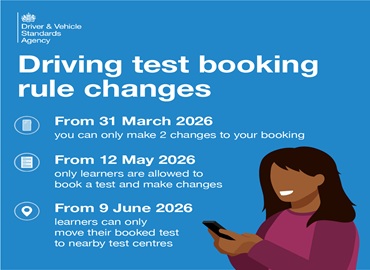
The new rules for booking and managing car driving tests will be introduced from spring 2026. These changes are listed below with a timescale for the changes.
Rule | Current rules | New rules | From when |
Number of changes allowed | Up to 6 changes | Only 2 changes | From 31 March 2026 |
Who can book your test | You or your driving instructor | Only you | From 12 May 2026 |
Who can manage your test | You or your driving instructor | Only you | From 12 May 2026 |
Where you can move your test | Any test centre | Only to the 3 nearest test centres | From 9 June 2026 |
As stated above the new rules will be implemented over 3 phases starting from 31st March 2026. The second change will be implemented on 12th of May 2026, and the final change on the 9th June 2026
NO! From 12th May 2026, only the learner will be allowed to book, change, cancel or swap their own driving test.
The learner will have to confirm that:
From 12th May 2026, it will be against the law to book, change, cancel or swap a driving test for somebody else.
From 31st March 2026, you will only be able to make 2 changes to your existing booking. If you’ve already used all changes under the current rules, you will be able to make 2 more changes from 31st March 2026.
Only use your limited changes when your circumstances genuinely change.
If you book a new test from 9th June 2026, you will only be able to move your test to:
Example
You book your test at Chesterfield. The 3 nearest centres to Chesterfield are:
Then you can use your first change to move your test to one of those.
You decide to move your test to Sheffield (Handsworth). This means you are allowed to make one more change.
You can use your second change to move your test to the 3 centres nearest to Sheffield (Handsworth). These are:
Also you can use your second change to move back to the test centre your first booked at, which was Chesterfield.
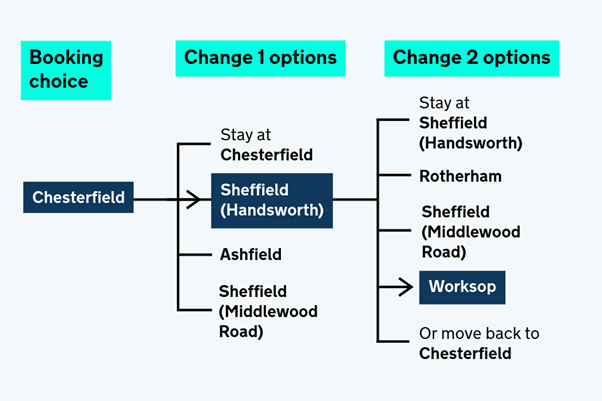
A chart showing an example of your options for changing your test.
If you have an existing booking, the new rule applies to where your test is currently booked at on 9th June 2026 – not where you first booked.
Example
In February 2026, you booked your test at St Helens with a test date of July 2026. In May 2026, you decide to use your first change to move it to Watford with a test date of July 2026.
On 9th June 2026, the new rules come in. Your test is now at Watford, so you can use your second change to move to the 3 nearest centres to Watford. These are:
You can only move your test to these centres. You cannot move your test back to St Helens.
From 9th June 2026 for local learners, the new guidance shows that:
Northampton can be moved to Wellingborough, Kettering or Rugby
Kettering can be moved to Wellingborough, Northampton or Bedford
Wellingborough can be moved to Kettering, Northampton or Bedford
If you need to make more changes after you have used your 2 changes, you will have to cancel your test and book a new one.
You will get a full refund if you cancel at least 10 full working days before the test date.
From 12th May 2026, if you’re a driving instructor, you will no longer be able to use the service to book and manage car driving tests for your pupils.
From 12th May 2026, it will be against the law for you or anyone else to:
Any driving tests you have already booked for your pupils are still valid and will go ahead as planned.
You will need to make sure your pupils have their driving test reference numbers for these tests. This is so they can manage their tests themselves.
If you are a driving instructor, you will still be able to manage when you are available to take your pupils for driving tests.
You can set:
This means that if a learner driver adds your driving instructor personal reference number to your booking, the booking system will automatically check if you are available.
Only these things count as a change:
If you change more than one thing at the same time (for example, the date and test centre together), this still counts as one change.
Example
If you change your test from Northampton on 4 June to Kettering on 12 May, this counts as one change
From 12 May 2026, only the learner will be allowed to change, cancel or swap their own driving test.
You will have to confirm that you:
These things will not count towards your change limit:
When you book your test, you should:
YES. From 12 May 2026, it will be against the law to change, cancel or swap a driving test for someone else.
The new DVSA rules mean planning your driving test is more important than ever.
At Latimer Driver Training, we recommend speaking to your instructor and only booking when you’re truly ready.
If you’re looking for expert guidance, professional driving lessons, or instructor training, visit our website www.l-dt.co.uk/ to get started, or contact us at www.l-dt.co.uk/contact-us/
